


Some of the key actions you can take to ensure the protection of marine life:
- Keep a Safe Distance: Stay at least 91 metres (100 yards) away from most whales, and 457 metres (500 yards) away from endangered species like the North Atlantic right whale.
- Avoid Chasing or Surrounding Whales: Let whales move freely without interference to prevent stress or harm.
- Listen to your Guide: Guides are trained to ensure safe and lawful interactions.
- Minimise Noise: Excessive noise can disturb whales' natural behaviours.
- Maintain a Steady Speed and Direction: Sudden movements can startle whales or lead to collisions.
- Keep Low Speeds: This reduces the risk of ship strikes and underwater noise pollution.
- Don't Feed, Touch, or Litter: Feeding or touching can harm whales, and littering creates hazards for marine life.
- Use Drones Responsibly: Keep drones at least 150 metres away and follow local rules.
- Choose an Ethical Tour Operator: Look for operators who prioritise whale welfare and contribute to conservation.
- Learn About Whale Species: Understanding whale behaviours helps you make informed and respectful choices.
1. Keep a Safe Distance
When observing whales, it is important to keep a safe distance, as close encounters can disrupt their feeding, resting, and nursing behaviours and cause unnecessary stress. Additionally, these interactions can pose risks to both the whales and observers due to the animals' unpredictable movements.
Although it can vary between countries,y the standard for most large whale species is to keep a recommended minimum distance of approximately 91 metres (100 yards). For example, North Atlantic right whales require a much larger buffer of around 457 metres (500 yards) in U.S. waters. Similarly, in Washington State's inland waters, vessels must stay at least 183 metres (200 yards) away from killer whales.
If a whale approaches your boat, your guide should shift the engine to neutral and let it pass calmly to avoid stress. It is best to limit your viewing time to around 30 minutes to minimise stress levels. If you do end up with a guide from a sustainable tour operator, they will make sure to adhere to the distance rules, but it is worth familiarising yourself with the rules too.
2. Never Chase or Surround Whales
Pursuing whales can cause serious harm; even when the intention is harmless, following or surrounding these animals disrupts critical behaviours such as feeding, resting, and socialising, and can put tourists at risk.
It is common sense not to chase any animal, and chasing whales can separate calves from their mothers, causing long-term impacts. Many whale species rely on maternal care for years, and separating calves can put them in danger, impacting species numbers. Stress from boat activity is also particularly harmful to pregnant whales, as it can interfere with reproduction and calf development, and, in some cases, repeated interference may even force whales to abandon essential feeding areas.
As well as possibly impacting mothers with calves, chasing and surrounding whales can increase their heart rates, raise blood pressure, and flood their systems with stress hormones. Research shows that this kind of stress can reduce their chances of long-term survival and increase the risk of collision, which in turn impacts the guide and fellow tourists.
Overall, it is best to let the whale decide how it wants to interact with you and your boat.
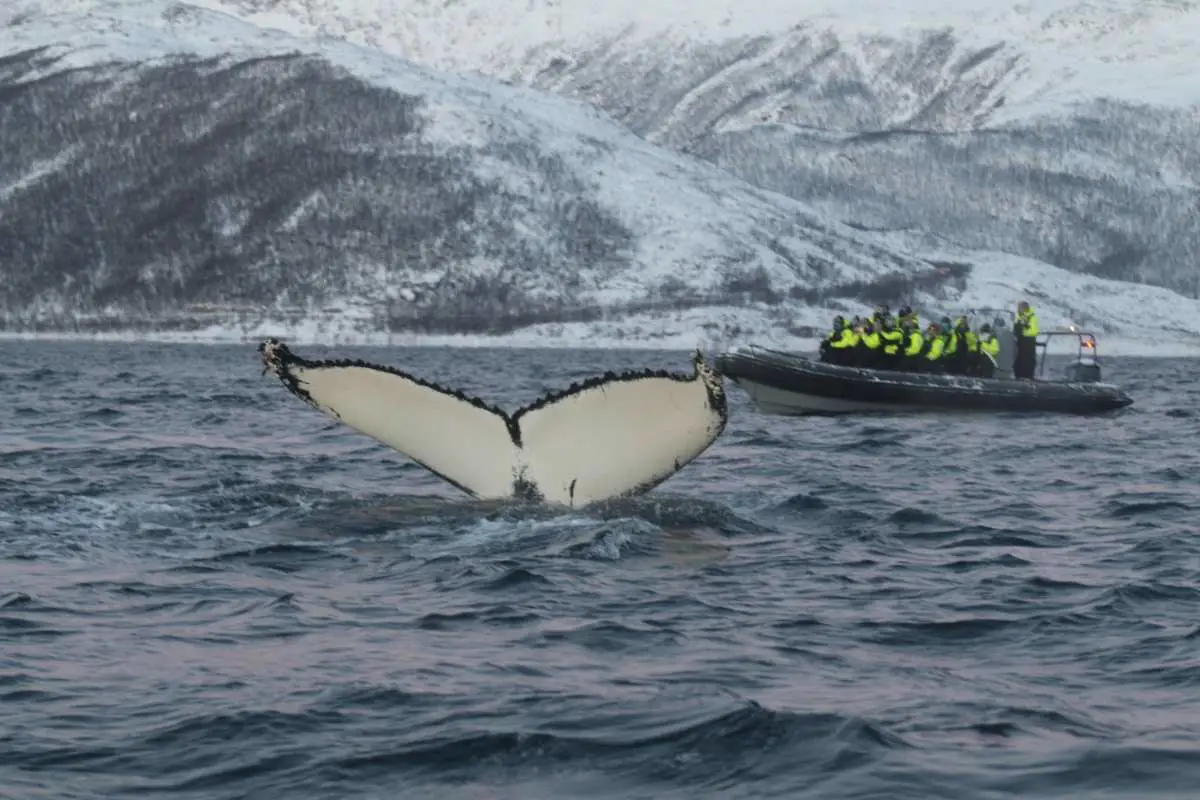
3. Follow Your Guide's Instructions
Your guide isn't just there to show you around;d they are trained professionals dedicated to keeping both you and marine life safe. They are specialists who are important to each region; for example, in Tromsø, the rules and safety regulations may differ significantly from those in Baja California. Rules also vary by species, as some have more protections than others. For example, in Hawaii, federal law mandates that boats maintain a distance of at least 91 metres from humpback whales, and it's ultimately your guide's job to uphold these rules, including maintaining buffer zones to avoid disturbing them.
If you are renting a boat and have a guide with you, you must follow their instructions. If they tell you to reduce noise or turn off the engine, you must comply immediately. Beyond tourism, guides also serve as crucial conservation allies. Since they're on the water more often than researchers, they're often the first to notice injured or entangled animals. You can always ask a tour company or guide about their training and experience to see if they are following the rules for a sustainable excursion.
4. Keep Noise Low
Whales rely heavily on sound for almost everything, from communication to navigation and feeding. Since sound travels five times faster in water than in air, marine animals are incredibly sensitive to noise, so what might seem like harmless boat noise to us is actually quite stressful to them.
Boat noise can seriously disrupt whale behaviour, even from as far as 300 metres away, so it is important to drive slowly and cut engines as soon as a whale is spotted. If you are looking for a more sustainable experience, consider a kayak excursion, as it will not only provide a more intimate experience but also have a lower impact on whales.
5. Keep Boat Speed and Direction Steady
Keeping your boat's speed and direction steady is just as important as reducing noise to protect whale behaviour, as sudden shifts in speed or direction create underwater noise that can disrupt whales' communication and natural habits.
When near any marine mammals, it is best to operate your vessel at a slow, steady pace, ideally keeping speeds below 5 knots within 400 metres of a whale.
Maintaining predictable movements allows the animals to determine the nature and duration of the interaction rather than feeling chased or harassed. By keeping the whale calm, you are also reducing the chances of having a collision. Collisions are a major cause of death for marine life, and they also pose a risk to tourists and passengers. By reducing your speed or even floating, you can enjoy a smooth ride and let the whales decide when they want to come to you.
When planning a whale watching trip, consider an ethical tour operator who abides by the rules and does not chase after whales just to please tourists.
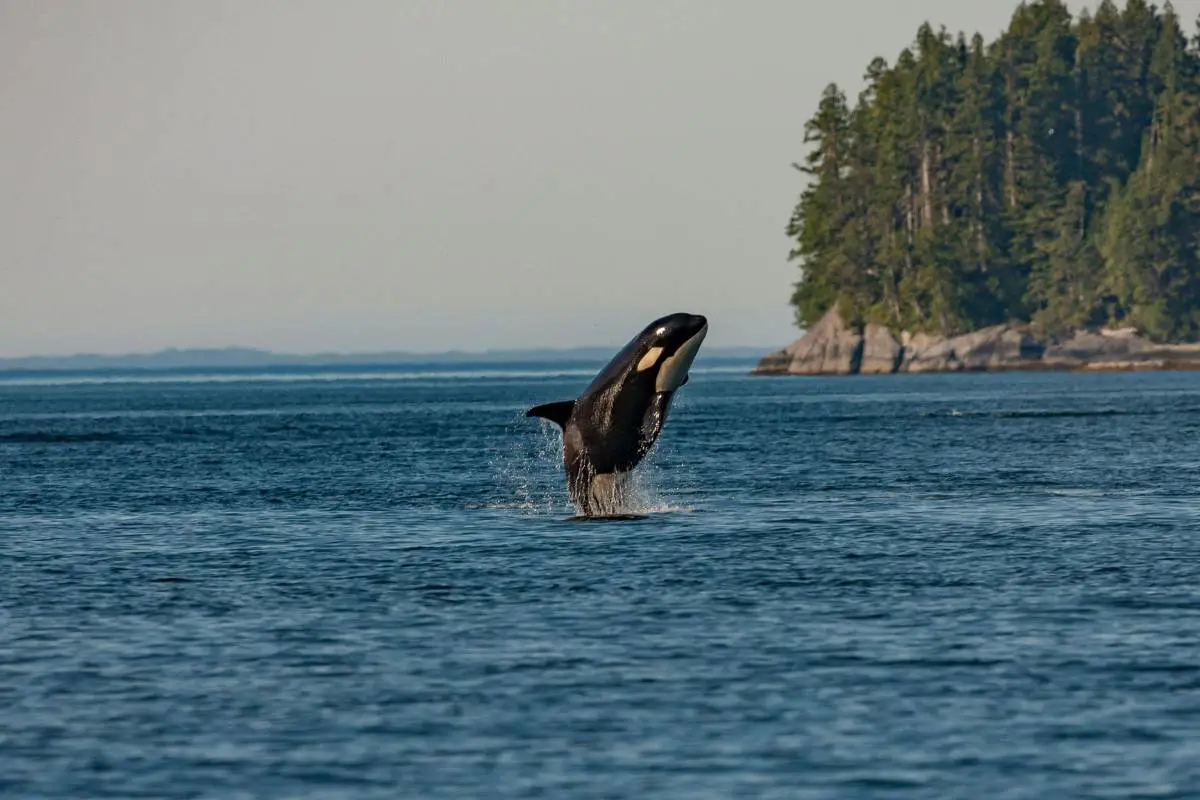
7. Never Feed Marine Life or Throw Anything Overboard
It might be tempting to feed a whale from your boat, but this can seriously harm marine life by encouraging them to come closer to boats, which could lead to more collisions. It also discourages them from hunting for food, and sometimes they leave feeding grounds to follow boats when feeding is frequent.
It should be obvious, yet people still do it: throwing waste overboard is something we should all avoid. Littering poses significant risks to marine animals, as they often mistake rubbish for food, and it is equally harmful to throw biodegradable waste in, too. Protecting whales from these dangers is crucial for maintaining a balanced marine ecosystem.
8. Use Drones Responsibly and Follow Local Rules
Everyone wants to get the perfect shot, and flying drones can offer incredible perspectives of whales, but it's really important to use them responsibly to avoid disturbing them.
To ensure responsible drone use, follow these guidelines:
- Keep at least 150 metres horizontally from any point directly above a whale or sea life.
- If there are already three or more drones, aircraft, or boats in the area, maintain a distance of 300 metres.
- Avoid sudden movements and never use your drone to chase or interfere with a whale pod.
- If you notice signs of disturbance - like abrupt changes in movement or tail slapping - stop flying immediately.
This applies anywhere you fly a drone, but the most important thing is to make sure you're familiar with local regulations before flying. You can usually find this information online or ask your tour operator before heading out onto the water.
9. Choose Ethical Tour Operators
Picking the right tour operator can make all the difference in ensuring a respectful and enriching whale-watching experience, as ethical operators will prioritise the well-being of whales over creating staged photo opportunities.
An easy way to do this is to look for operators with certifications like the World Cetacean Alliance's "WCA Approved" or those in the "Whale Sense" programme. To gauge an operator's ethics, ask specific questions about their practices before you book,k and try to avoid broad questions like, "Are you a responsible tour operator?. Instead, try asking questions like "How close will we get to the whales?" or "Can I touch them?" If an operator guarantees direct contact or close interactions, it's a red flag, and they're likely not adhering to proper guidelines.
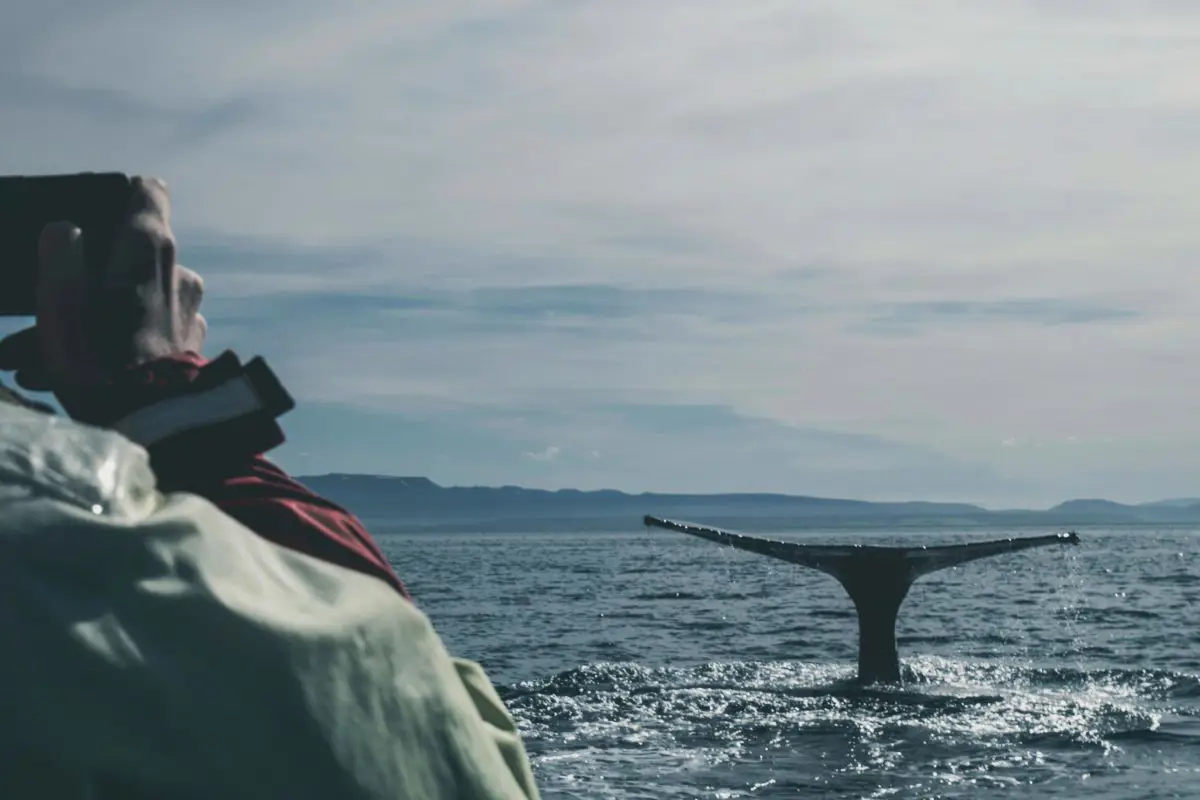
10. Learn About Local Whale Species
Identifying the local whale species in the area can transform your whale-watching trip and put you in a better position to understand the whales' habits, typical locations, and activities. This can also help you determine whether the species is protected or endangered, putting you in a stronger position when choosing a responsible tour operator.
You can check resources such as the International Whaling Commission's Whale Watching Handbook, a free online service with downloadable fact sheets on 20 commonly observed species, covering their biology, ecology, and conservation status. You can also check the IUCN Red List to learn about protection levels for various species.
Becoming informed about the challenges whales face can make you a stronger advocate and help you make better decisions when supporting tourism projects and conservation efforts abroad.
Conclusion
Whale watching can be a wonderful way to admire sealife when on your holiday, but you must consider the impact of your decisions when abroad. Supporting tour operators who don't respect the rules encourages disruptive behaviour and can negatively impact whale species and conservation efforts.
But by researching before you go and identifying key local species, you can understand local laws and rules and decide which tour operator to use. Contributing positively will support local communities and economies, and encourage wildlife protection.
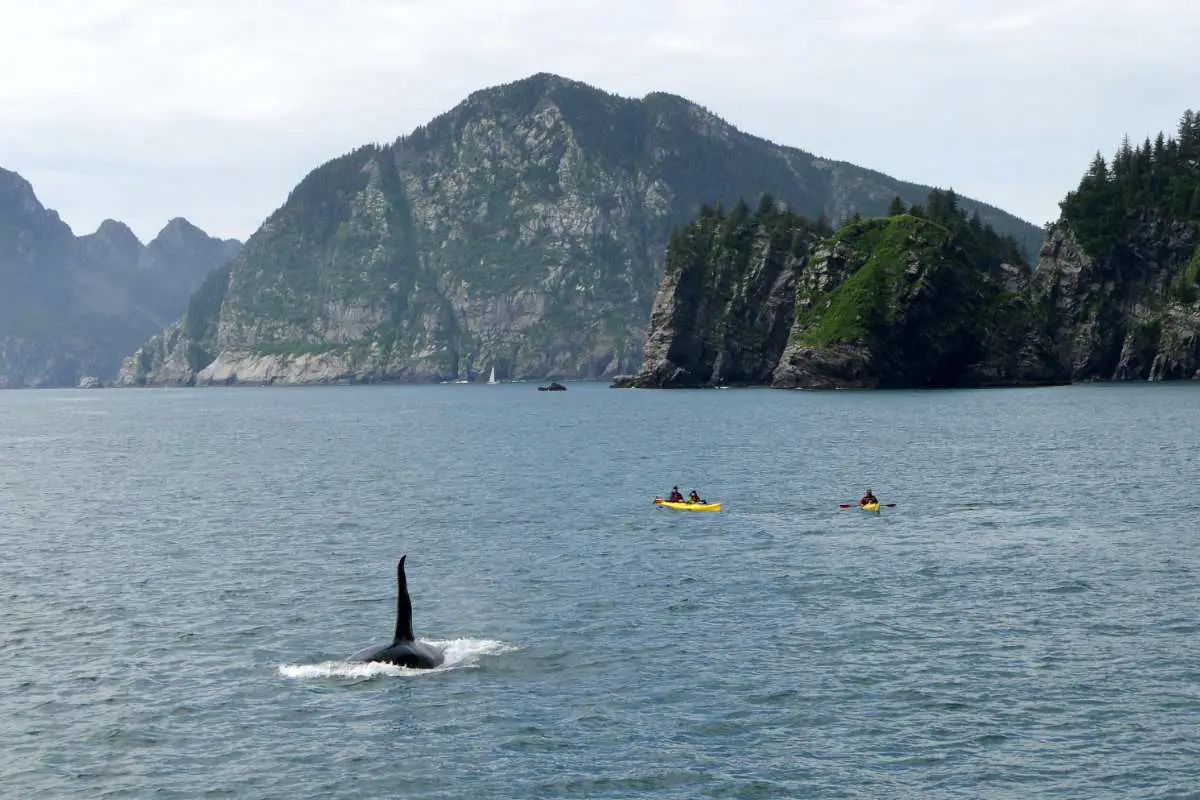
Before heading out for a whale-watching adventure, it's essential to familiarise yourself with the official guidelines and regulations for your destination. Resources like the Whale Watching Handbook provide useful links to regional rules and responsible practices tailored to specific areas.
For example, in the U.S., the Marine Mammal Protection Act strictly prohibits any actions that disturb marine mammals. Laws like these are in place to protect wildlife and ensure sustainable interactions. By reviewing and adhering to these rules, you not only stay compliant but also contribute to responsible whale-watching efforts.
Travelling sustainably doesn't have to be expensive. Choosing trains or coaches instead of flights, staying in locally owned accommodation, travelling during the off-season, using public transport, carrying reusable water bottles and shopping bags, and eating at local restaurants can often save money while reducing your carbon footprint.
Sustainable tourism involves travelling in ways that minimise environmental impact while supporting local communities and preserving cultural heritage. This includes choosing eco-friendly accommodation, reducing waste, respecting wildlife, using public transport, supporting local businesses, conserving water and energy, and following responsible travel guidelines at your destination.
Walking and cycling are the most environmentally friendly ways to travel because they produce virtually no carbon emissions. For longer journeys, trains are generally the most sustainable option, followed by coaches and buses. If flying is unavoidable, choose direct flights, fly economy, and consider offsetting your emissions through certified carbon offset programmes.
A green travel kit typically includes a reusable water bottle, eco-friendly toiletries, a reusable shopping bag, reef-safe sunscreen, reusable cutlery, and digital travel documents to reduce waste and make travel more sustainable.
The best way to reduce carbon emissions in Europe is to make the most of alternative modes of transport, such as trains and ride-sharing. Consider a cycling holiday or hiking.